Agari, Iri, Fē, Nishi
These words—agari, iri, fē, nishi—mean east and west, south and north, respectively. Even our most basic everyday vocabulary like the four cardinal directions significantly differs. What I’m saying is Okinawan and standard Japanese are far removed. Originally, before we shared a writing system, language fluctuated and changed depending on what region it was spoken in, and in truth, it would be stranger to think that right from the start any such thing as “standard Japanese” ever existed in any steadfast or unchanging way.
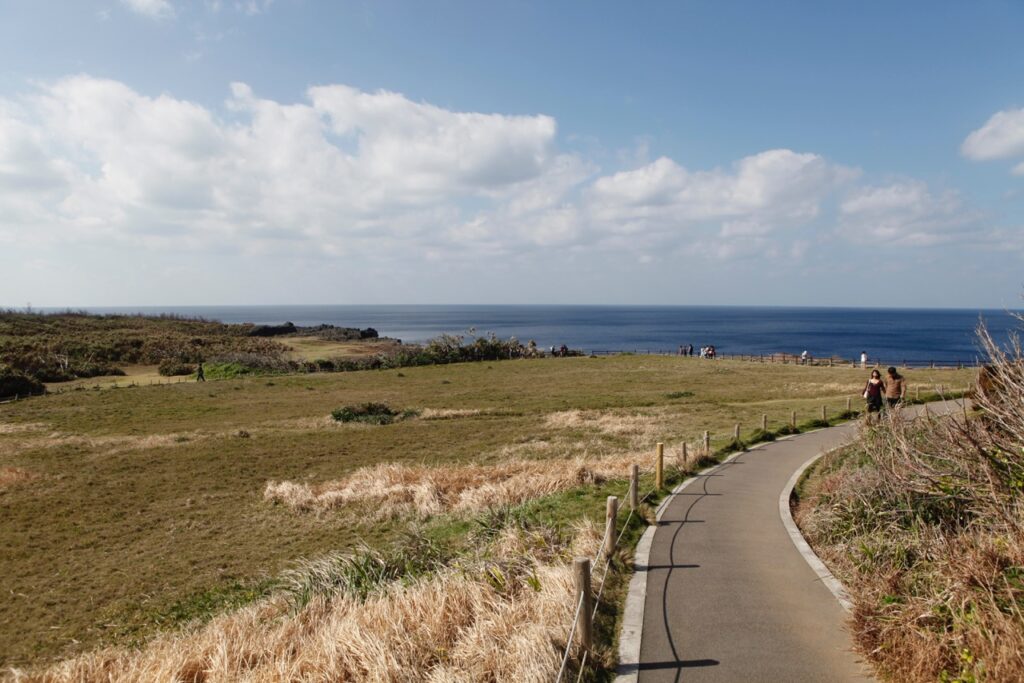
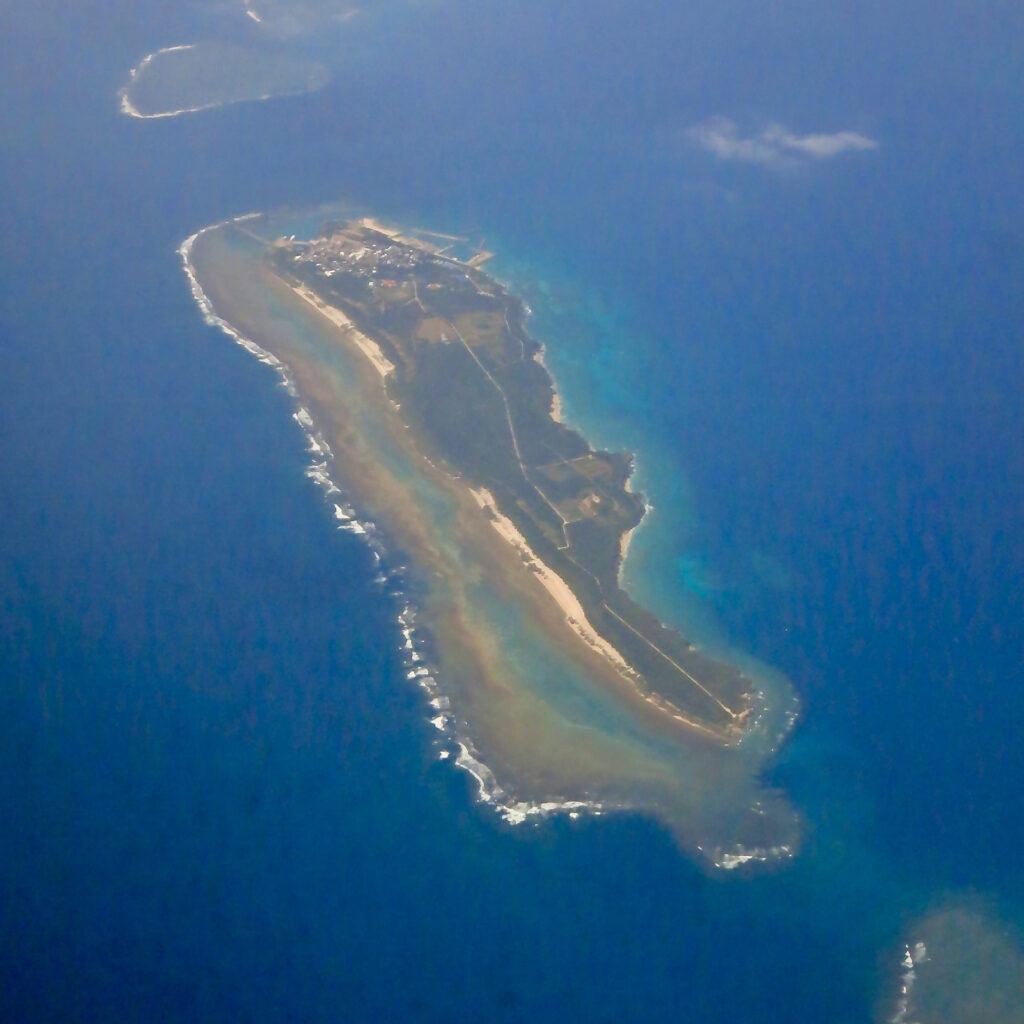
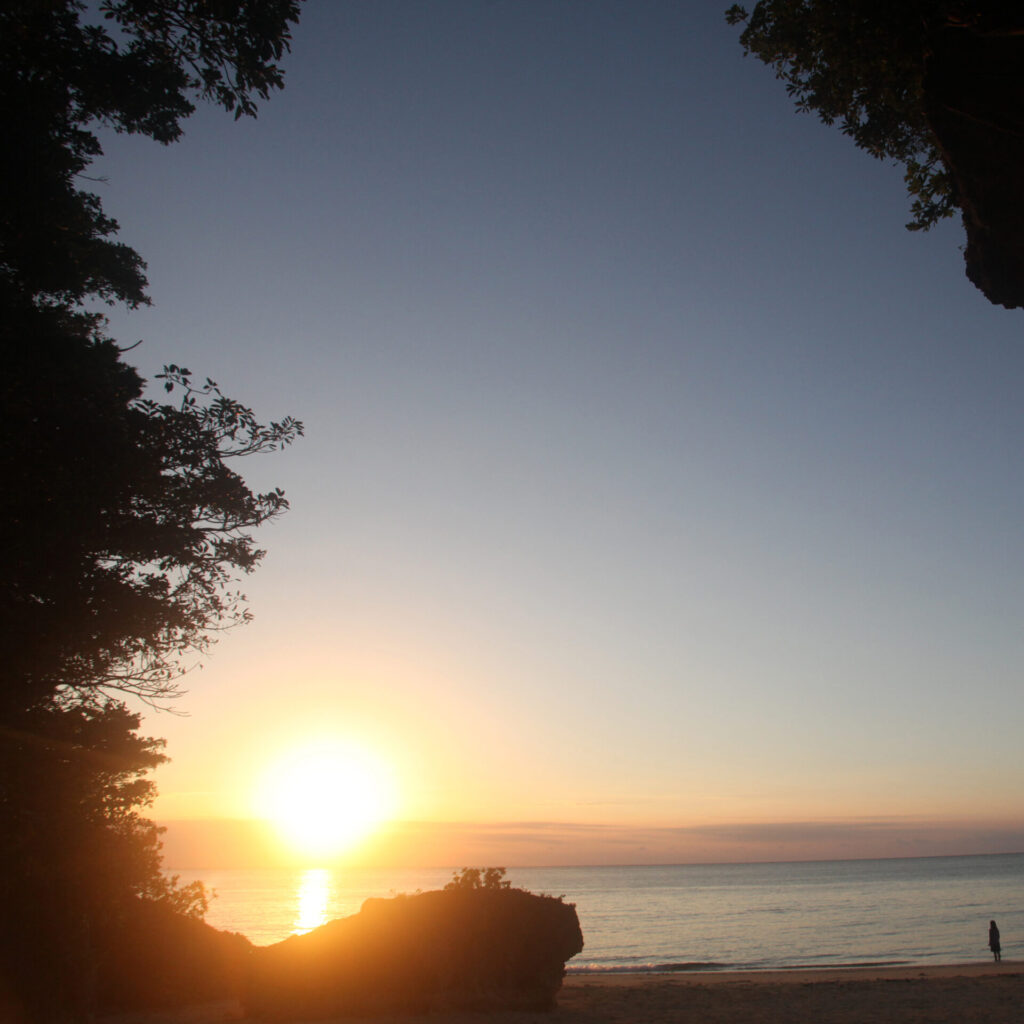
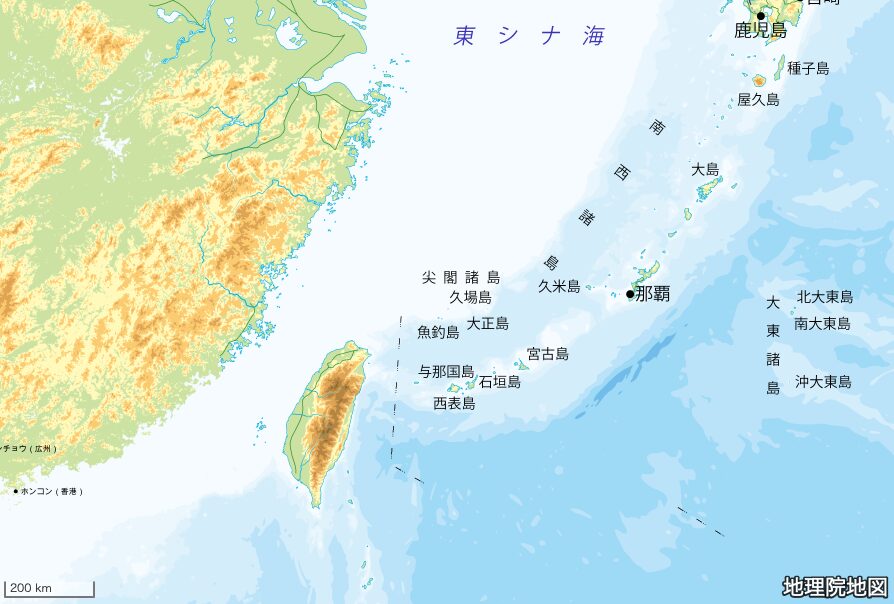
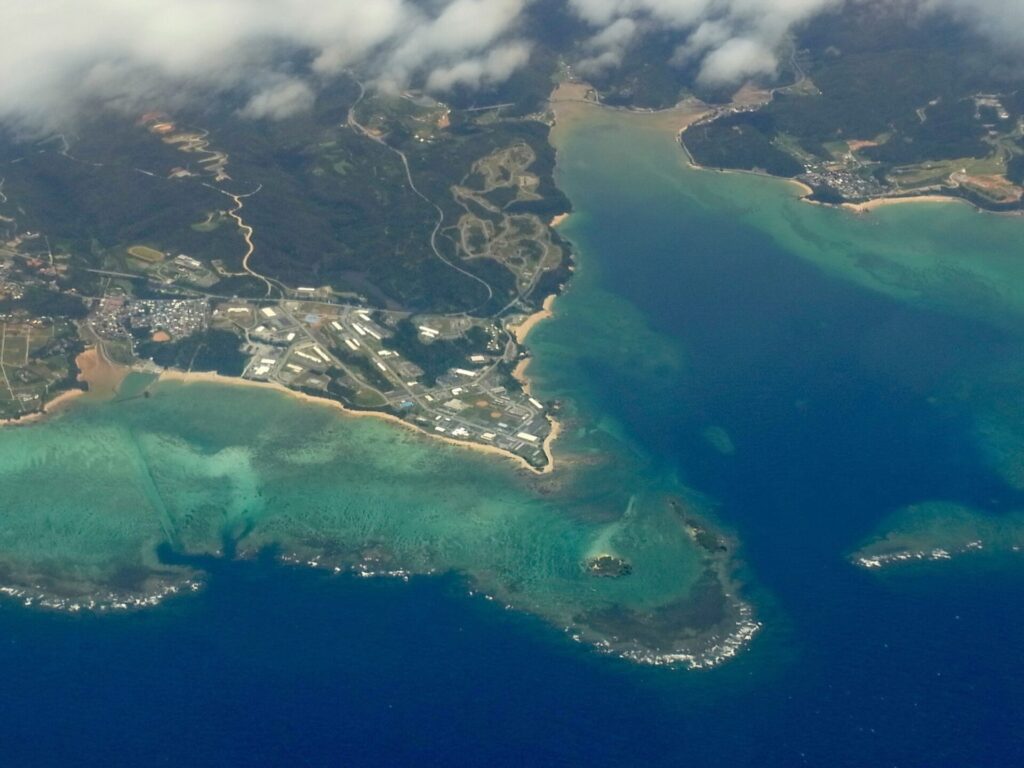
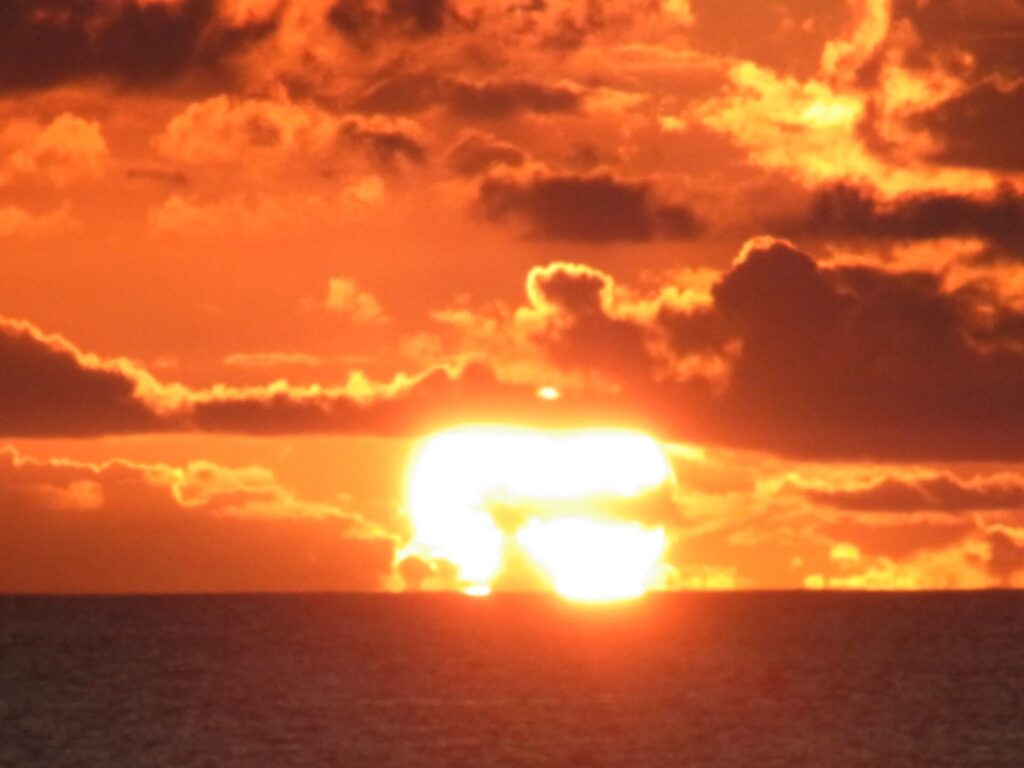
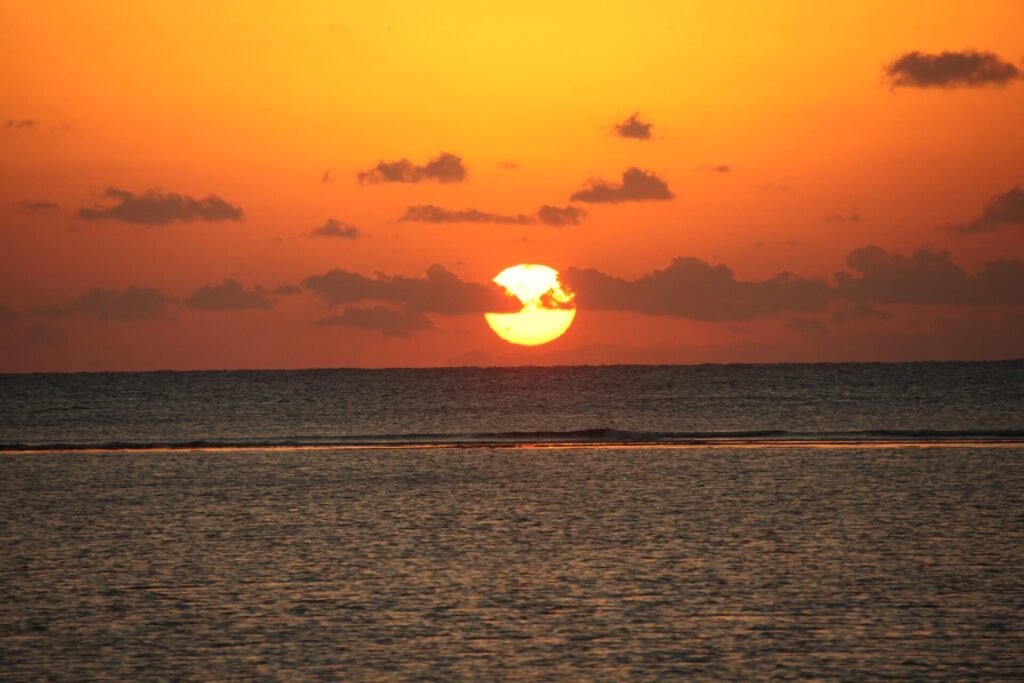
East is called agari because it is where the sun agaru, where it rises; and west is named iri because it is where the sun iru, where it sets. It’s very easy to see how these two verbs and nouns relate. East and west are always referenced and determined via the sun. In fact, one can more easily understand the origins of agari in Okinawan than the origins of higashi in standard Japanese—higashi comes from the term hi mukashi, literally meaning to turn toward the sun. Comparatively speaking, even Japanese mainlanders are more likely to know that Iriomote Island is one example of iri being used to mean west. There’s a long cape that extends from the southeast edge of Miyako-jima called Agari Hen’nazaki. However, because the cape’s name came to be written with Chinese characters, mainlander tourists often see the character “East” and assume the name must be Higashi Hen’nazaki. Recently, we’ve even had some tourists who drop the word “Higashi” entirely and just ask for “Hen’nazaki”. (There is an Iri Hen’nazaki in the northwest as well.)
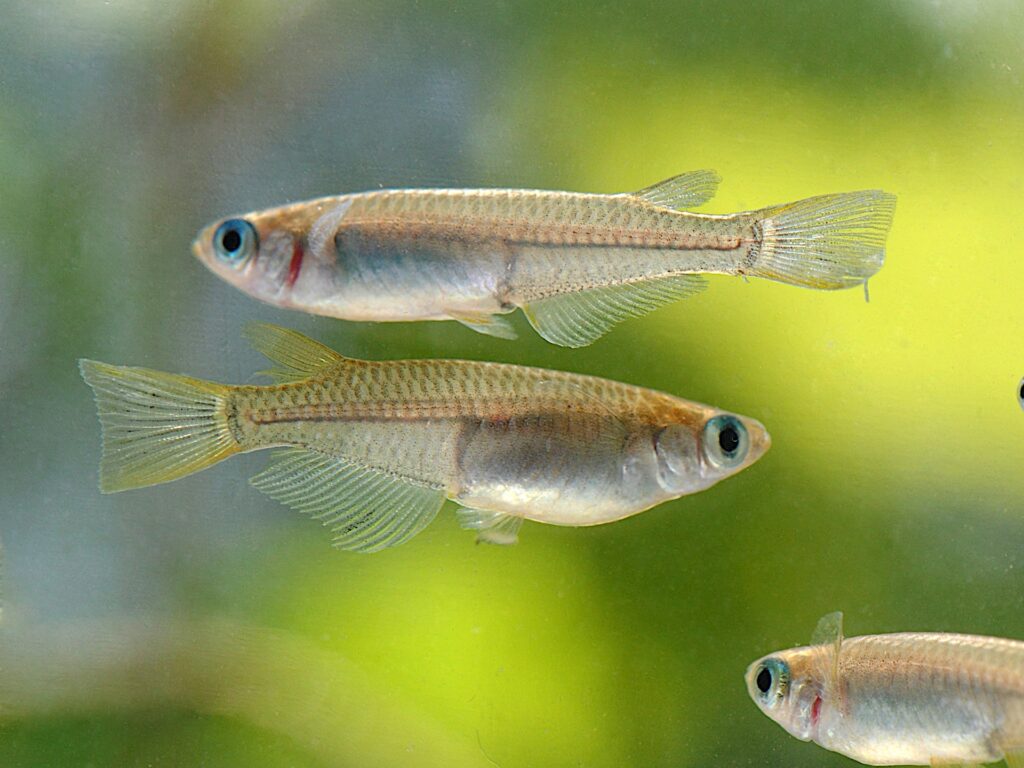
Now where do the words fē and nishi come from? Since north and south don’t have the sun to set their absolute standards, there are many places where the names of the winds came to stand for the cardinal directions. And the names for those winds often differ in each and every region of the country. In the past, there weren’t a lot of opportunities to have communications with distant places, so people only needed a name that was mutually understandable in their own communities. Common names for everyday objects like fishing tools, farming implements, fish, or insects differed from place to place. (For example, there are over 2,000 terms for the Japanese rice fish [Oryzias latipes] used throughout the Japanese archipelago.) The terms for wind are similarly various depending on region. And these names determine what north and south are called. You might say that east and west are cosmic while north and south are earthly.
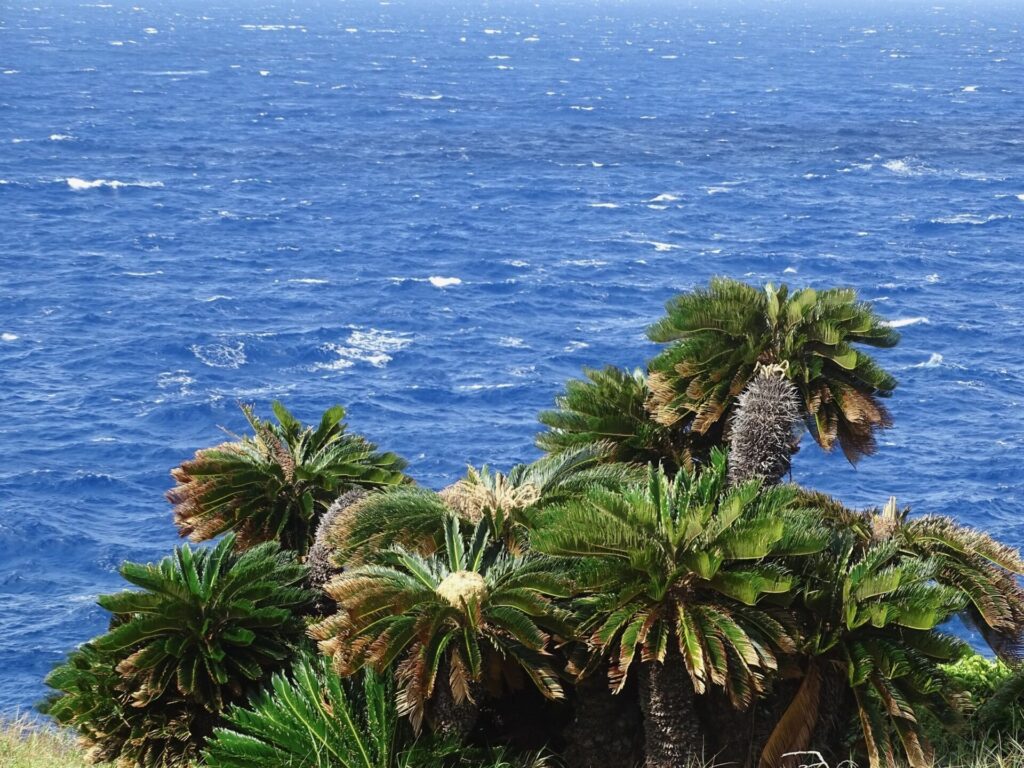
On the big island of Okinawa, south is called fē. If you go to Yaeyama, it becomes hai or pai. The south wind, written 南風 and read as minamikaze or nanpū in standard Japanese, is instead called hae all over southwest Japan. (In poetry, it can even be called the “white south wind”, shirahae.) There’s a fabled idyllic village on the southern part of Hateruma Island called Paipatirōma — South Pairо̄ma.
We call the south wind fēnukaji or sometimes simply fē. This in turn became the name for the south point of the compass. It’s said that long ago in Okinawa, children whose fathers were unknown were called fēnujuringwā. This literally means “child of the south wind’s mistress.” Perhaps there was a child fathered by the south wind on a profligate woman. In Okinawa, the south wind that hails the end of the dry season, the urizun, is called urizunbē (here bē derives from fē), but that wind in particular foretells the ripening and growth of crops and vegetation, so perhaps it really does have the spirit to impregnate a human woman.
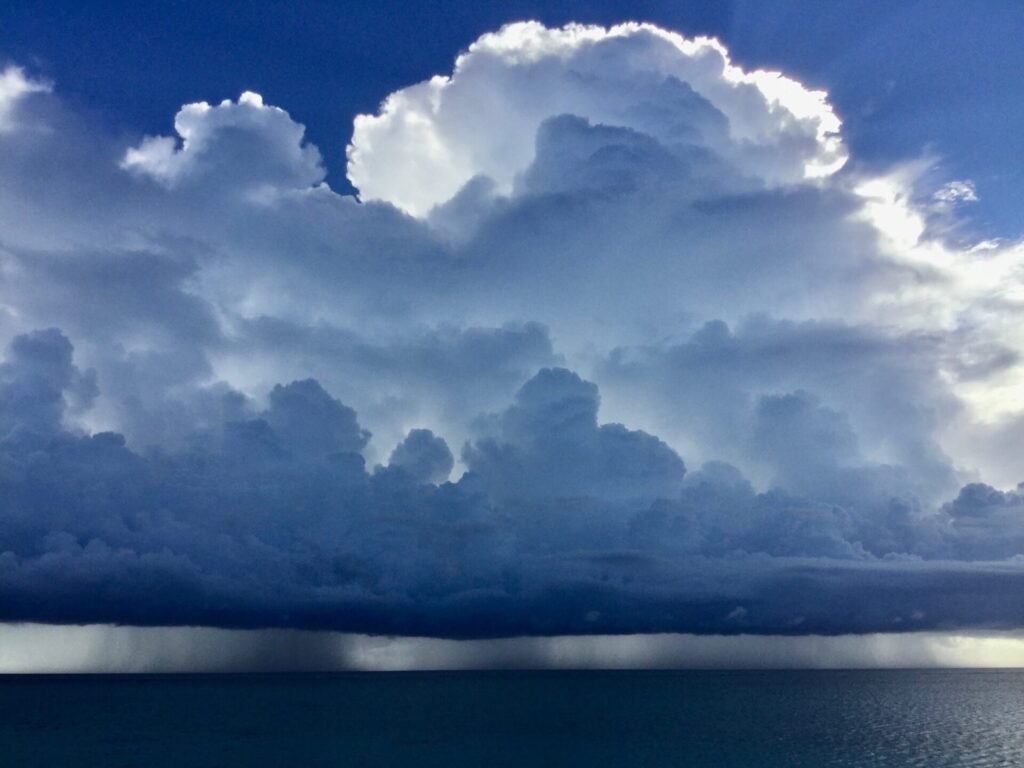
That leaves only nishi, the problem child. How is it that Japan’s west “nishi” turned ninety degrees and became Okinawa’s north “nishi”? One explanation has it that, because on the Ōsumi Islands and the Amami Islands everything between north and west is referred to as “nishi”, as the word moved further and further south, the direction called “nishi” gradually shifted clockwise until it meant north. The wind that blows down from the north during autumn is called mīnishi. It means “the new north wind”, and whenever it blows, I feel that Okinawa’s heat grows pleasantly cool.